




K2 Space Preps High-Power Satellite for Orbital Compute
3 min read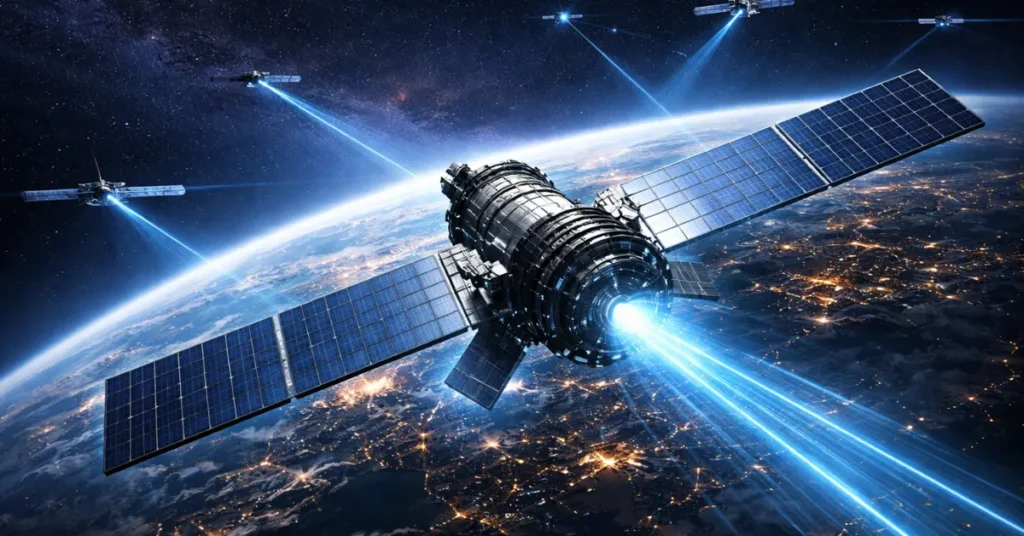
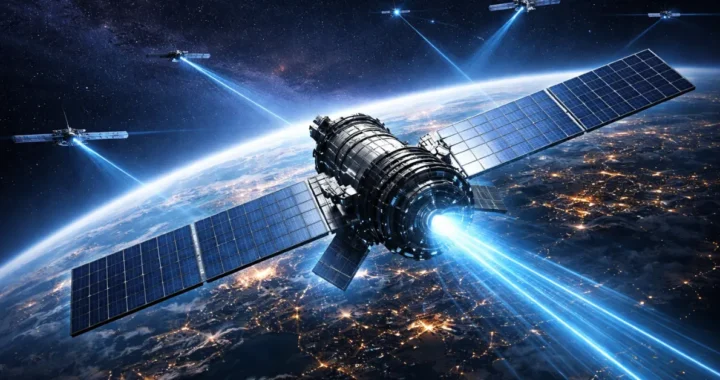
A young space startup is about to test what could become a key building block for future data centers in orbit. K2 Space is gearing up to launch one of the most powerful satellites ever built, aiming to prove that high-energy spacecraft can support next-gen computing in space.
Founded in 2022 by former SpaceX engineers Karan Kunjur and Neel Kunjur, the company has packed its flagship satellite, Gravitas, onto a Falcon 9 rocket. The launch is expected to take place by the end of this month.
Gravitas is not your typical satellite. Weighing in at around two metric tons and stretching up to 40 meters across when its solar panels are fully deployed, the spacecraft is designed with one goal in mind: power. It can generate up to 20 kilowatts (kW) of electricity—far more than most satellites currently in orbit, which typically produce only a few kilowatts.
To put that into perspective, even large spacecraft like ViaSat-3 generate just over 25 kW, while Elon Musk has said future Starlink V3 satellites could reach similar levels. For K2 Space, this is just the beginning.
“The future is higher power,” said CEO Karan Kunjur, whose company has already raised $450 million and reached a $3 billion valuation as of late 2025. This mission marks K2’s first real test in orbit—and the start of what the company calls an “iterative journey.”
The Gravitas satellite will carry 12 undisclosed payload modules from multiple customers, including the U.S. Department of Defense. It will also test a 20 kW electric thruster, which K2 believes could become the most powerful ever flown in space.
The mission will be evaluated in stages. First, the team will check whether the satellite deploys correctly and begins generating power. Next comes running onboard payloads and testing the thruster. If everything goes smoothly, the final step will involve using that thruster to push the satellite into a higher orbit thousands of kilometers above Earth.
Kunjur acknowledges the risks—especially since about 85% of Gravitas’ components were built in-house. Still, the focus is on collecting as much data as possible to refine future designs. K2 plans to launch 11 more satellites over the next two years, blending experimental and commercial missions. By 2028, the company hopes to manufacture satellites at scale for customers building large orbital networks.
The demand for high-powered satellites is rising fast. More energy in orbit means better communication signals, higher data throughput, and the ability to run advanced processors directly in space. That could open the door to new applications, including AI processing beyond Earth.
But one major hurdle remains: cost. Launching large satellites is still expensive. K2’s long-term strategy relies partly on next-gen rockets like Starship, which could dramatically reduce launch costs—but the timeline for widespread availability remains uncertain.
Still, the market opportunity is growing. Massive satellite constellations like Starlink, Amazon’s planned low-Earth orbit networks, and even military projects—including a proposed $185 billion missile defense system—are all pushing demand for more powerful spacecraft.
K2 believes its satellites can compete even under current launch economics. The company estimates a launch cost of around $7.2 million using Falcon 9, compared to a potential $600,000 in a future where Starship significantly lowers prices. Gravitas itself is priced at about $15 million—cheaper than many traditional high-power satellites, yet more capable than smaller alternatives.
Looking ahead, K2 is already thinking bigger. The company has designs ready for a 100 kW satellite, positioning itself to take full advantage of future heavy-lift rockets like New Glenn once they become widely available.
If Gravitas performs as expected, it could mark a turning point—not just for K2 Space, but for the future of computing in orbit.
Read also : Meta Keeps Horizon Worlds Alive on VR—for Now