



Tesla Nears End of Model S & X, Bets Big on Cybercab
3 min read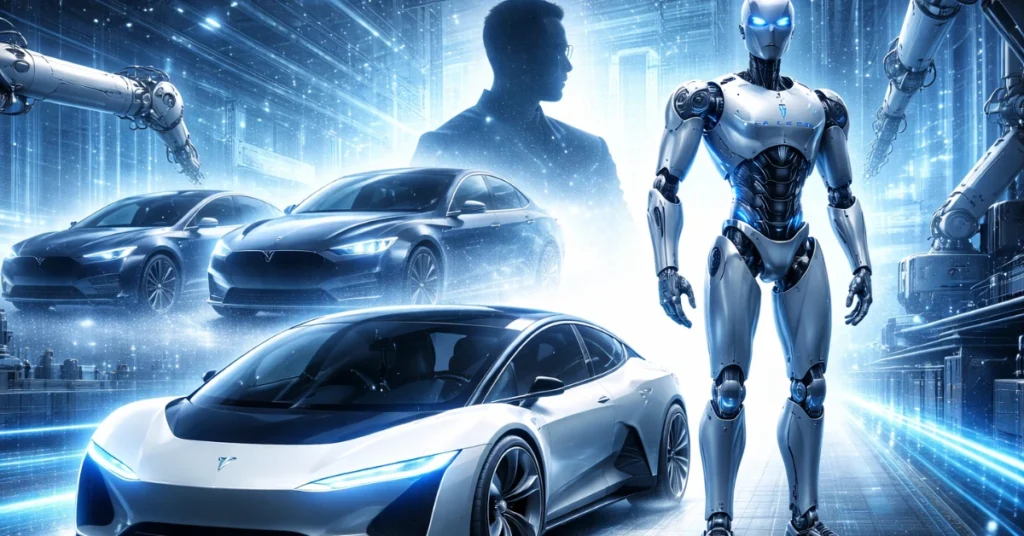
The curtain is closing on two of Tesla’s most iconic vehicles. According to CEO Elon Musk, only a few hundred units of the Tesla Model S and Tesla Model X remain in inventory, marking the final chapter for both models. Custom orders are no longer available, signaling that production is effectively over.
The decision doesn’t come as a surprise. Musk had already hinted back in January that Tesla would phase out both vehicles—and the numbers explain why. Sales of the Model S and Model X have been steadily declining for years, especially as more affordable options like the Tesla Model 3 and Tesla Model Y took center stage.
Tesla now groups S and X sales under its “other models” category, which also includes the Tesla Cybertruck. That category peaked back in 2017 with over 100,000 units sold, but by 2025, it had dropped to just over 50,000 vehicles—a small slice compared to Tesla’s total global deliveries of 1.63 million units last year.
From Flagships to Farewell
When the Model S launched in 2012, it wasn’t just another electric car—it changed how people saw EVs altogether. It helped push traditional automakers to take electric vehicles seriously. The Model X followed in 2015, bringing bold design choices like its falcon-wing doors and earning a reputation as one of Tesla’s most ambitious projects.
At the time, Musk even admitted the company may have overcomplicated things, famously calling it a car no one should attempt to build. Despite early delays and criticism, the Model X carved out its own space and helped expand Tesla’s customer base.
Still, the future belonged to mass-market vehicles. The Model 3 and Model Y ultimately drove Tesla into the mainstream, dominating global EV sales—until China’s BYD overtook Tesla in 2025 with 2.26 million EV deliveries.
What Comes Next?
Instead of replacing the Model S and X with another traditional EV, Tesla is shifting gears. Musk has scrapped plans for a low-cost $25,000 electric car and is now focusing heavily on artificial intelligence-driven products.
That includes the upcoming Optimus robot and the futuristic Tesla Cybercab—a two-seater, fully autonomous vehicle first revealed as a concept in 2024.
Tesla plans to begin Cybercab production in Austin, Texas, while its Fremont factory in California will pivot to building Optimus robots once Model S and X production fully stops.
Big Vision, Bigger Risks
The Cybercab represents Tesla’s boldest move yet. Unlike previous models, it won’t include a steering wheel or pedals, relying entirely on autonomous technology powered by Tesla’s Full Self-Driving system.
But that ambition comes with major hurdles. U.S. safety regulations currently require traditional controls like steering wheels, and there’s no clear indication Tesla has secured an exemption. For comparison, Zoox—owned by Amazon—has already received limited approval to test similar driverless vehicles.
There’s also the challenge of proving the technology works reliably at scale. While Tesla has tested robotaxis in limited environments, fully autonomous driving remains a complex and tightly regulated space.
Tesla’s AI Future
Despite slowing growth—Tesla reported 1.69 million vehicle sales in 2025, marking its second consecutive annual decline—Musk is doubling down on a new identity. Tesla, he says, is no longer just a car company.
It’s an AI company.
And with the Model S and Model X fading into history, Tesla’s future now rides on whether that vision can deliver.
Also read : Cameo Teams Up With TikTok to Win Back Fans