





Build a Stronger Supply Chain Amid Ongoing Tariff Uncertainty
4 min read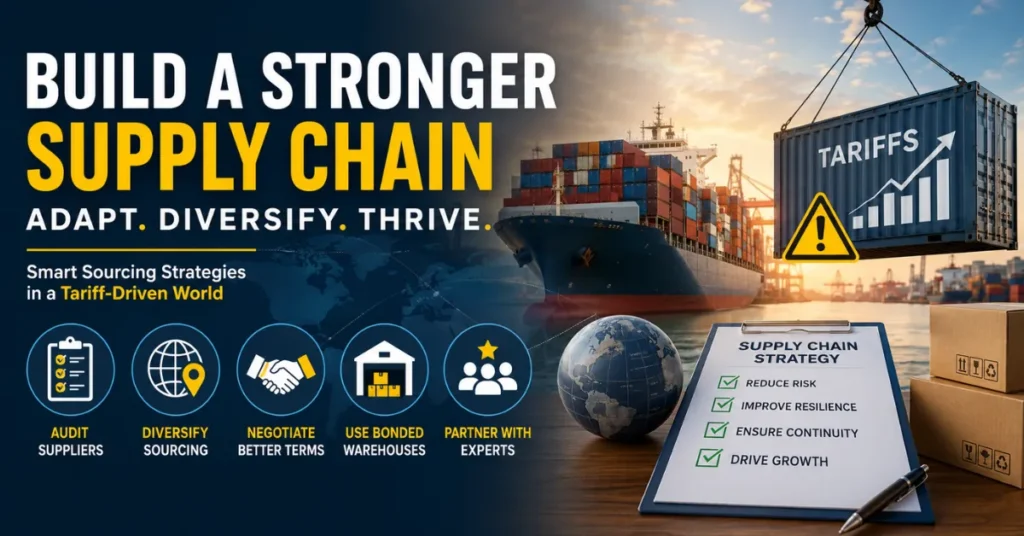
As U.S. tariffs introduced during the Trump administration continue to affect global trade, businesses are shifting their focus from preparing for change to finding practical ways to reduce the financial impact. While the new trade measures have increased costs for many importers and exporters, they also present an opportunity for companies to rethink their sourcing strategies and build more resilient supply chains.
Although several temporary solutions have been suggested, experts argue that businesses should avoid making rushed decisions based solely on short-term tariff pressures. Instead, companies should take a broader approach that strengthens their operations against future disruptions.
Looking Beyond Quick Fixes
Common suggestions such as reshoring manufacturing back to the United States or nearshoring production to neighboring countries like Mexico have gained attention. While these options may work for some businesses, they also come with significant costs, logistical challenges, and long implementation timelines.
Rather than relying entirely on relocation, businesses may benefit more from improving the flexibility and resilience of their supply chains. Recent events—including the COVID-19 pandemic and ongoing trade policy changes—have highlighted just how vulnerable global supply networks can be.
Building a supply chain that can adapt to changing economic and political conditions is becoming increasingly important for businesses operating in international markets.
Review Existing Supplier Relationships
One of the first steps companies should take is conducting a detailed review of their suppliers. Businesses should assess how tariffs affect each supplier relationship while ensuring compliance with international trade regulations.
Areas worth reviewing include tariff classifications, customs compliance, shipping costs, and the potential for supply chain disruptions. This process helps companies determine which supplier partnerships remain cost-effective, which require adjustments, and which may no longer be viable under current market conditions.
Diversification Can Reduce Risk
Instead of moving manufacturing completely out of one country, businesses may find greater value in diversifying their sourcing network.
Trade policies have changed several times, with some tariffs being reduced or paused while others have been increased. This uncertainty means relocating production to another country does not necessarily eliminate future risks, as additional tariffs could eventually affect new sourcing destinations.
A dual-sourcing strategy can provide greater stability. For example, businesses can continue working with existing suppliers in China while developing relationships with manufacturers in another country. This creates backup options if future trade policies disrupt one supply source.
Renegotiating Supplier Agreements
Another strategy businesses are exploring is negotiating new pricing arrangements with existing suppliers.
Many suppliers are willing to absorb part of the additional tariff costs in order to maintain long-term business relationships. In addition, numerous U.S. companies have canceled orders from China due to higher import costs, leaving some manufacturers with excess inventory.
Businesses may be able to purchase these goods at discounted prices and store them in warehouses within China until market conditions become more favorable. However, companies should remember that tariff rates could still change before shipments reach the United States.
Using Bonded Warehouses
Bonded warehouses have also become an option for companies looking to manage tariff expenses.
Products stored in bonded warehouses are generally not subject to tariffs until they are officially released into the domestic market. Businesses serving customers outside the United States can also ship products directly from bonded warehouses to international destinations without triggering U.S. import duties.
Despite these advantages, bonded warehouse space is becoming more expensive and increasingly difficult to secure. Businesses must also weigh the risks associated with ongoing trade policy uncertainty before relying heavily on this strategy.
Expert Guidance Can Make a Difference
Managing today’s complex global trade environment often requires specialized expertise. Supply chain management companies with years of international sourcing experience can help businesses evaluate suppliers, navigate changing trade regulations, and develop long-term sourcing strategies.
These firms have successfully guided businesses through previous challenges, including geopolitical conflicts, economic downturns, and the disruptions caused by the COVID-19 pandemic. Their experience can help organizations identify practical solutions that minimize risk while improving operational resilience.
Preparing for the Future
Tariffs continue to create significant challenges for businesses involved in global trade, but they also encourage companies to strengthen their sourcing strategies for the future. By auditing supplier relationships, diversifying sourcing locations, negotiating with manufacturers, and exploring storage options such as bonded warehouses, businesses can reduce their exposure to uncertainty.
While no single solution completely eliminates the impact of changing trade policies, companies that invest in resilient supply chains today will be better positioned to handle future disruptions and remain competitive in an evolving global marketplace.
Also read : Melinda Gates-Backed Magnify Ventures Raises $46.6M AI Fund