





CalmWave Raises $4.4M to Tackle ICU Alarm Overload
2 min read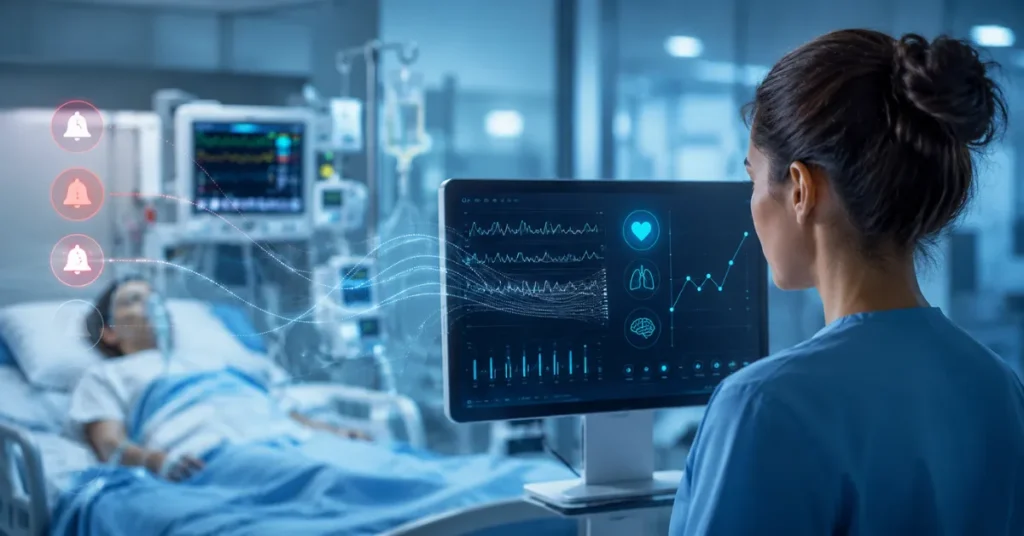
Seattle-based health-tech startup CalmWave has secured $4.4 million in fresh funding to expand its mission of reducing overwhelming alarm noise in hospital intensive care units (ICUs). The new capital comes as hospitals increasingly struggle with alert fatigue caused by constant monitoring system notifications that often don’t require immediate clinical action.
This latest round follows a $5.2 million infusion raised last November, marking continued investor confidence in the company’s approach. The seed extension was led by Third Prime, Bonfire Ventures, Catalyst by Wellstar, and Silver Circle.
CalmWave plans to deploy the new funds to scale its operations and meet rising demand from hospital systems looking for better ways to manage ICU alarm overload.
At the center of the company’s offering is its “Calm ICU” software platform. The system is designed to filter out non-actionable alarms generated by patient monitoring equipment—alerts that do not require urgent intervention but still interrupt clinical staff. According to CalmWave, these low-priority alarms account for roughly 80% to 99% of all ICU alerts, creating unnecessary strain on healthcare workers and potentially impacting patient care.
The problem is widely recognized in critical care environments: constant beeping and alert noise can contribute to staff fatigue, delayed responses, and reduced focus on truly urgent cases. CalmWave’s technology aims to reduce that noise and help clinicians focus on meaningful signals.
Early results from hospital deployments appear promising. In a pilot program with Wellstar Health System, the company reported significant improvements over a six-week period. Technical bedside alarms were reduced by more than 50%, bringing clinician interruptions down from 68 per hour to 36 per hour.
The impact extended to patients as well. Alarm exposure time decreased by about 10 hours per hospital stay, while average daily bedside monitor alarms dropped sharply from 1,635 to 873. In addition, nurses using CalmWave’s AI-driven recommendations were able to detect signs of patient deterioration earlier—up to 15 minutes faster in some cases.
Founded in 2022 out of the AI2 Incubator, CalmWave was created by CEO Ophir Ronen. He previously built Event Enrichment HQ, a Seattle startup focused on IT event response, which was later acquired by PagerDuty in 2015.
Ronen says the company is addressing a long-standing issue in critical care environments. “We’ve done what many believed impossible and shown significant reductions in non-actionable alarms, a key driver of ICU alarm fatigue,” he said.
CalmWave has also gained recognition in the startup ecosystem. The company ranks No. 71 on the GeekWire 200 list of Pacific Northwest startups. It previously won UX Design of the Year at the 2023 GeekWire Awards and Health Innovation of the Year in 2024.
As hospitals continue to digitize and rely more heavily on real-time monitoring systems, CalmWave is positioning itself as a key player in reducing one of healthcare’s most persistent operational problems: too many alarms, and not enough clarity.
Also read : Melinda Gates-Backed Magnify Ventures Raises $46.6M AI Fund