





Armoire Blends AI With Human Styling to Boost Clothing Rentals
4 min read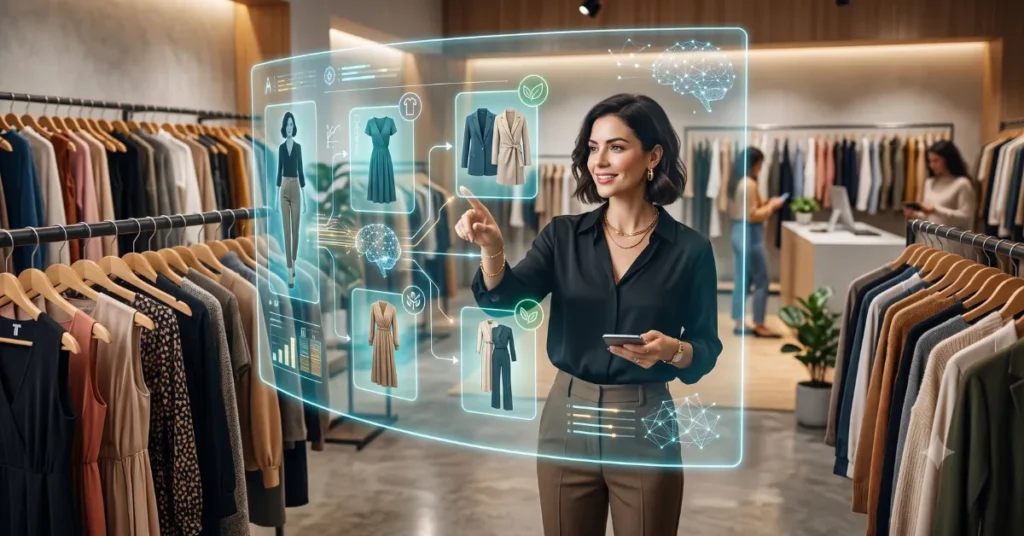
Seattle-based clothing rental startup Armoire is embracing artificial intelligence while staying true to the human touch that has defined its business for nearly a decade. The company has introduced a new AI-powered virtual stylist designed to help customers quickly discover clothing that matches their preferences without endless scrolling.
For founder and CEO Ambika Singh, adopting AI wasn’t simply about following the latest technology trend. Instead, it required balancing innovation with the company’s long-standing commitment to sustainability and personalized customer service.
Since its launch, Armoire has focused on reducing fashion waste by encouraging customers to rent clothing rather than purchase new outfits. That mission shaped how employees viewed AI, with some expressing concerns about replacing human work and the environmental impact of AI-powered computing and data centers. Despite those reservations, Singh saw an opportunity to use the technology to simplify repetitive tasks while improving the customer experience.
The company’s new virtual stylist is its biggest AI initiative so far. The feature quietly appears while customers browse clothing collections, inviting them to ask for recommendations. After receiving a request, the AI analyzes a member’s rental history, likes, dislikes, and available inventory before suggesting outfits tailored to individual tastes.
Unlike many traditional chatbots, Armoire says the assistant is designed to feel more like interacting with a personal stylist. The system responds conversationally and refines its recommendations based on customer feedback, making the shopping experience faster and more personalized.
The company describes the feature as a stylist that “talks to you just like a real stylist would,” helping users discover clothing in seconds instead of spending time searching through hundreds of products.
AI shopping assistants are becoming increasingly common across online retail. Companies including Amazon have introduced tools like Rufus to recommend products, while real estate platforms such as Redfin and Zillow are also integrating conversational AI to help customers navigate listings more efficiently.
Armoire isn’t stopping with its virtual stylist. The startup is also developing AI tools that can standardize clothing descriptions across different fashion brands. Since manufacturers often use different definitions for terms such as sleeve length or fit, the technology aims to create more consistent product information and improve the rental experience.
Even with its growing investment in AI, Singh says human expertise remains central to the business. Armoire continues to offer personalized styling consultations through phone and email, services that have helped differentiate the company from larger competitors.
The company also acknowledges that AI still has limitations. During testing, the virtual stylist successfully recommended an appropriate blazer but paired it with a blouse that human stylists likely would not have selected, highlighting the importance of maintaining expert oversight.
Beyond digital services, Armoire continues investing in in-person experiences. The company operates a physical fitting location south of downtown Seattle where customers can try on clothing before renting. It also hosts fashion events, networking gatherings, and special showcases, including collections featuring upcycled athletic wear from former professional soccer player Lu Barnes and annual South Asian fashion events.
Despite facing multiple business challenges over the years, Armoire has continued to grow. The company successfully navigated the COVID-19 pandemic by shifting its inventory from office attire to casual clothing during lockdowns before returning to professional fashion as employees headed back to workplaces.
Today’s economic uncertainty, fueled by layoffs, tariffs, and rising consumer prices, presents both risks and opportunities. While higher operating costs could affect the business, Singh believes more consumers will turn to clothing rentals as an affordable way to maintain stylish wardrobes without overspending.
“Renting your closet is another way to maintain the lifestyle that you want under different budgetary constraints,” Singh said.
Armoire has raised $12 million from investors during its growth journey, including a $3.5 million funding round in 2021 backed by Microsoft CEO Satya Nadella, GoDaddy CEO Aman Bhutani, and other investors. The startup also reached break-even this quarter, marking a significant financial milestone.
After reducing its workforce from more than 60 employees to 25 during the pandemic, Armoire has expanded again and now employs around 100 people. Earlier this year, the company was recognized as Workplace of the Year at the GeekWire Awards.
The online clothing rental market continues to expand rapidly. According to Future Market Insights, the global industry was valued at approximately $2.6 billion and is projected to reach $6.4 billion over the next decade, with the United States, China, and India expected to drive much of that growth.
Although Armoire remains smaller than competitors such as Rent the Runway and Nuuly, Singh believes the success of larger players validates the clothing rental model. As more consumers seek affordable and sustainable fashion options, she expects demand for rental services to continue rising, creating new opportunities for the Seattle startup.
Also read : OpenAI Eyes 5% Equity Plan for U.S. AI Wealth Fund