



Substack Adds AI Detector to Reveal AI-Written Newsletters
3 min read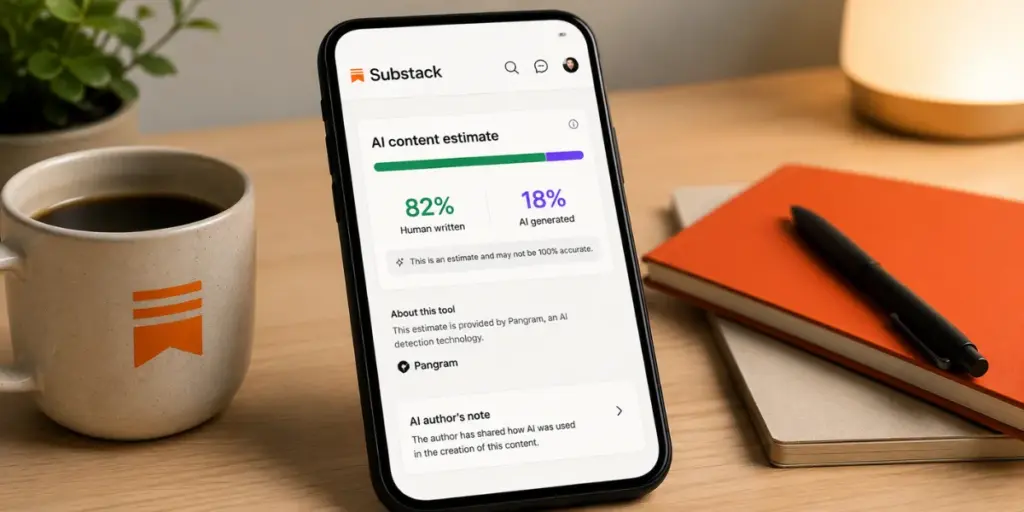
Substack has introduced a new AI detection feature designed to give readers greater transparency about the content they consume. The latest tool lets users estimate how much of a newsletter, post, comment, or reply was written by a human and how much may have been generated with artificial intelligence.
The feature is powered by AI writing detection company Pangram and is now integrated directly into the Substack app. Users can scan eligible content to receive an estimate of its human-written versus AI-generated portions, offering new insight into how creators produce their work.
The move comes at a time when AI-generated content is becoming increasingly common across online publishing platforms. While many creators use AI as a writing assistant, others rely on it more heavily, making it difficult for readers to know how much of what they’re reading originated from a person.
In the short term, the new feature could create challenges for Substack itself. If readers discover that some newsletters are largely AI-generated, it could affect trust in certain publications and raise questions about the platform’s reputation for hosting high-quality independent journalism and blogs.
However, the company appears to be betting that greater transparency will strengthen user confidence over time. By helping readers distinguish between human-written and AI-assisted content, Substack hopes to reduce the spread of low-quality “AI slop” while encouraging higher editorial standards across its platform.
Substack joins a growing list of technology companies introducing labels for AI-generated content. Social media platforms already label AI-created images and videos, while music streaming services have recently begun identifying AI-generated songs and, in some cases, limiting monetization for content that relies heavily on artificial intelligence.
Substack CEO Chris Best believes the feature represents a positive use of AI technology rather than a restriction on it.
Speaking during an online discussion with Pangram founder Max Spero, Best explained that one of Substack’s long-standing goals has been to handle everything for writers except the creative thinking itself.
“When I used to pitch Substack to writers, one way I would do it is … we’ll do everything for you except the hard part,” Best said. He added that the most valuable part of writing is creating ideas that are worth reading, sharing, and discussing, while software should simply help with the rest of the process.
The AI detection tool will be available for posts, notes, replies, and comments containing more than 100 characters. In addition to the scanning feature, Substack is also introducing an optional AI author’s note that allows writers to voluntarily disclose how artificial intelligence was used in creating their content.
According to the company, the goal is not to punish or discourage AI-assisted writing. Instead, it wants creators to provide readers with a clear explanation of their writing process through a “how I make this” statement, giving audiences more context about how articles are produced.
Publishers will also have access to Pangram before publishing their work. They can scan drafts themselves, review the results, and report or remove scans they believe incorrectly identify their writing as AI-generated.
As AI continues reshaping digital publishing, Substack’s latest feature reflects a broader industry trend toward transparency rather than outright restrictions. Whether readers embrace AI-assisted writing may vary, but giving them more information about how content is created could become an important step in maintaining trust across online publishing platforms.
Also read : DoorDash Launches Drone Delivery Unit After FAA Approval