




Apple Delays Smart Glasses to Strengthen Privacy Features
3 min read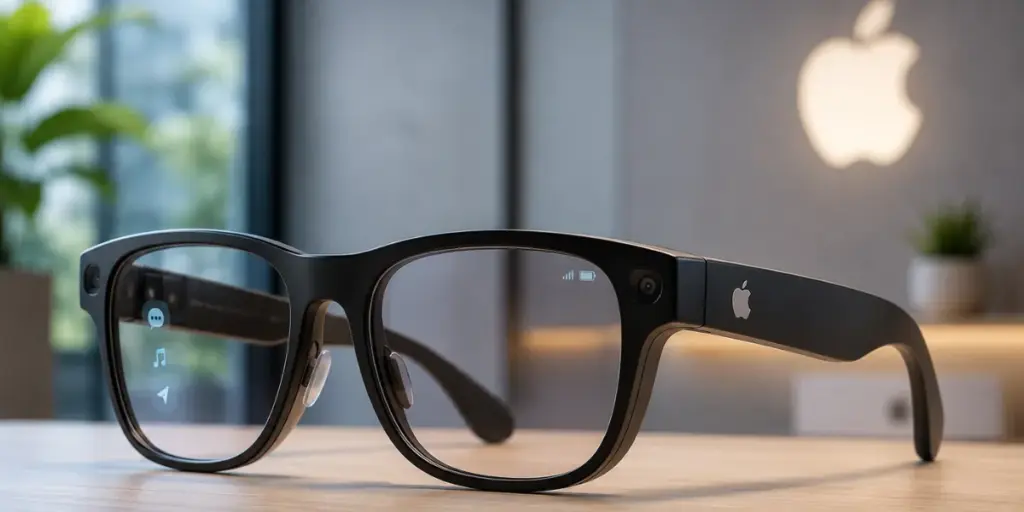
Apple is reportedly taking extra time to refine both the technology and privacy protections for its first pair of smart glasses, as the company looks to avoid the concerns that have surrounded similar wearable devices from competitors.
According to Bloomberg’s Mark Gurman, Apple has pushed back the launch timeline for its long-awaited smart glasses. Instead of arriving in early 2027, the wearable is now expected to be unveiled during the company’s Worldwide Developers Conference (WWDC) in June 2027, with commercial availability planned before the end of the year.
The additional development time is expected to help Apple improve the product itself while also shaping how it presents the device’s privacy features to consumers.
Privacy has become one of the biggest challenges facing smart glasses, particularly as wearable cameras become more common. Apple appears determined to differentiate its product by addressing concerns before launch rather than responding after the fact.
The company has reportedly taken note of the criticism surrounding Meta’s smart glasses, which have faced backlash over claims that they can be used to secretly record people without their consent. Those concerns have fueled broader debates about privacy and responsible use of wearable camera technology.
For Apple, the issue carries even greater importance because the company has consistently positioned privacy as one of its core brand values. Its marketing has long emphasized protecting user data, making any privacy controversy around its first smart glasses particularly damaging.
To reinforce that message, Apple is expected to highlight several privacy-focused features when the product is officially introduced.
One of the key features reportedly under development is on-device processing. Instead of sending sensitive data to remote cloud servers, much of the information captured by the glasses would be processed directly on the device, reducing the amount of personal data shared externally.
Apple is also expected to avoid including facial recognition capabilities in the first-generation smart glasses. Leaving out facial recognition could help ease concerns about users identifying or tracking people without their knowledge.
In addition, the company is reportedly unlikely to use customer recordings to train its artificial intelligence models. That would mark another distinction from some AI development practices that rely on user-generated content to improve machine learning systems.
The report also suggests Apple does not plan to adopt Meta’s reported approach of using human contractors to review customer-recorded footage. Avoiding that practice would further support Apple’s privacy-first strategy and reinforce its messaging around user trust.
While Apple has not officially confirmed the device or its specifications, the reported delay indicates the company is prioritizing privacy alongside hardware and software development. As competition in the smart glasses market continues to grow, Apple’s approach could become a major differentiator if consumers place greater value on privacy protections.
If the reported timeline remains unchanged, Apple will introduce its first smart glasses at WWDC 2027 before releasing the product later that year. Until then, the company is expected to continue refining both the wearable’s technology and the privacy safeguards that could define its place in the emerging smart glasses market.
Also read : DoorDash Launches Drone Delivery Unit After FAA Approval