





Rad Power Bikes Owes $8.3M in Tariffs Amid Bankruptcy
4 min read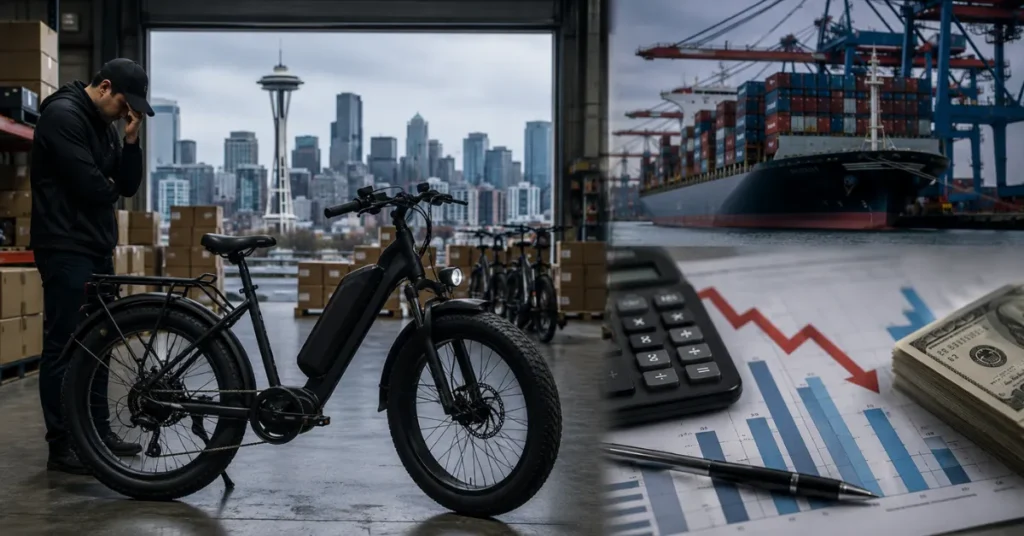
Seattle-based electric bicycle maker Rad Power Bikes has revealed that its largest unsecured creditor is U.S. Customs and Border Protection (CBP), highlighting the growing financial pressure tariffs have placed on the company and the broader e-bike industry.
According to the company’s Chapter 11 bankruptcy filing submitted this week, Rad Power Bikes owes more than $8.3 million to U.S. Customs for tariff-related obligations. The filing notes that this and several other claims are listed as “disputed” by the company.
The disclosure comes as Rad navigates one of the toughest periods in its history following years of slowing demand, rising operating costs, and increasing trade-related expenses.
Tariffs Add to Financial Challenges
A spokesperson for Rad Power Bikes declined to comment on individual items listed in the bankruptcy filing.
However, the company had previously warned employees in a November letter that it was facing significant financial challenges driven by tariffs and broader economic conditions. At the time, Rad said the business could potentially shut down as early as January if conditions failed to improve.
Tariffs have become one of the biggest issues facing electric bicycle manufacturers that depend heavily on Asian supply chains.
A recent report by The Washington Post examined how import duties introduced under both the Biden and Trump administrations have significantly increased costs for Rad Power Bikes and many other companies across the industry.
Matt Moore, policy and general counsel for cycling trade organization PeopleForBikes, told the newspaper that tariffs are placing enormous pressure on U.S.-based manufacturers while having relatively little impact on overseas marketplace sellers.
The organization also warned in October that slowing bicycle sales and weakening consumer demand were being made worse by ongoing tariff uncertainty.
Pandemic Boom Followed by Sharp Slowdown
Founded in 2015, Rad Power Bikes built its reputation by selling affordable electric bicycles directly to consumers, with many models priced below $2,000.
The company experienced explosive growth during the COVID-19 pandemic as demand for personal transportation surged. Sales climbed by nearly 300%, and in 2021 Rad raised more than $300 million, reaching a valuation of $1.65 billion while becoming one of North America’s largest e-bike companies.
That rapid expansion proved difficult to sustain.
By 2022, consumer demand had cooled significantly, leaving the company with excess inventory that had been purchased to meet pandemic-era demand.
In the employee letter sent last month, Rad acknowledged that it failed to anticipate how quickly demand would decline after the pandemic boom.
Revenue Declines While Liabilities Grow
Financial details disclosed through the Chapter 11 filing paint a difficult picture for the company.
Rad reported gross revenue of $129.8 million in 2023, which fell to $103.8 million in 2024. So far this year, revenue has reached $63.3 million.
The company also listed total liabilities of nearly $73 million, compared with assets valued at approximately $32 million, indicating liabilities exceed assets by more than double.
Industry-Wide Pressure
Rad Power Bikes is far from the only electric bicycle manufacturer struggling under current market conditions.
Ed Benjamin, chairman of the Light Electric Vehicle Association, told The Washington Post that ongoing tariff policies have created widespread confusion across the industry, making purchasing decisions increasingly difficult as manufacturers face unpredictable costs.
According to PeopleForBikes, average tariffs on imported e-bikes have increased from roughly 11% to between 20% and 55% after an exemption on Chinese imports expired last year.
Industry publications have also pointed to additional duties on batteries, steel, and other imported components as major contributors to rising production costs.
Several companies—including E-Cells, Kent International, Fuell, Juiced, and Electric Bike Company—have cited tariffs as one factor behind business closures or bankruptcy proceedings.
Electric vehicle publication Electrek criticized the current trade environment, arguing that overlapping tariff policies have increased prices for consumers while creating uncertainty for manufacturers and dealers.
Legal Questions Remain
The tariff debate is also moving through the courts.
One day after Rad Power Bikes filed for bankruptcy protection, U.S. Customs and Border Protection announced that it has collected more than $200 billion in tariffs under over 40 executive orders issued during the Trump administration.
The agency said the collections demonstrate its effectiveness in supporting secure and compliant international trade.
Meanwhile, the U.S. Supreme Court is reviewing whether former President Donald Trump exceeded his legal authority when imposing the tariffs.
Several major companies, including Costco, have filed lawsuits seeking refunds if the court ultimately determines that the tariffs were imposed unlawfully.
As Rad Power Bikes restructures under Chapter 11 protection, the company has become one of the highest-profile examples of how changing market conditions, declining demand, and escalating trade costs continue to reshape the electric bicycle industry.
Also read : EU Lawmaker Probing Pegasus Spyware Was Hacked, Researchers Say