




Cyberattacks Target Supermarket Freezers Across Europe, Spoiling Food
3 min read
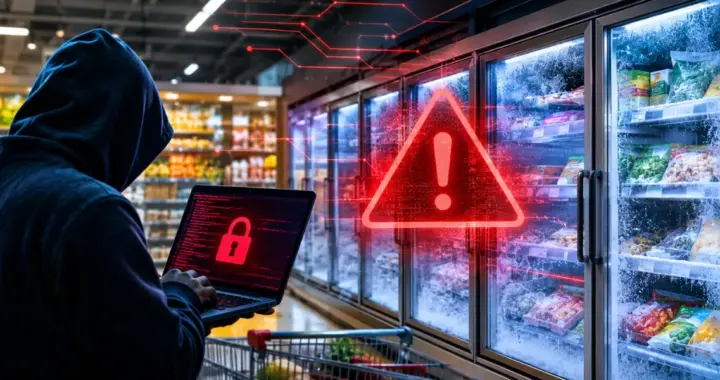
A new wave of cyberattacks targeting supermarket refrigeration systems has reportedly disrupted food storage operations across Europe, leaving stores with significant food losses. Supermarkets in Belgium, Ireland, Luxembourg and Sweden have been affected after hackers allegedly changed refrigerator settings, causing temperatures to rise and food to spoil.
Major supermarket groups Ahold Delhaize and Colruyt confirmed the overnight cyberattacks. According to Reuters, hackers reportedly accessed refrigeration systems operated by a Belgian company responsible for managing Delhaize’s equipment and changed the settings to defrost mode.
The incidents have forced affected supermarkets to dispose of food products that were no longer safe for consumption. The attacks highlight how vulnerabilities in everyday connected devices can create serious problems for businesses and consumers.
Supermarket Refrigerators Targeted in Second Wave of Attacks
The latest incidents are believed to be part of a second wave of cyberattacks against supermarket refrigeration systems across Europe.
The attacks follow similar incidents in France last month, when hackers reportedly manipulated refrigerator temperatures at hundreds of supermarkets. By deliberately increasing temperatures, attackers caused refrigerated and frozen food products to spoil, resulting in major losses for retailers.
Security researchers investigating the earlier incidents identified internet-connected refrigeration units manufactured by Danish company Danfoss as a potential source of the security problems.
These refrigerator systems were reportedly no longer receiving security updates, leaving them exposed to potential cyber threats. Cybersecurity company Claroty had already warned in August that the affected Danfoss units could be vulnerable to remote attacks and operational disruptions.
The latest incidents raise further concerns about the security of connected equipment used in supermarkets and other critical business operations.
Connected Devices Create New Cybersecurity Risks
The attacks demonstrate that cybercriminals do not always need to target traditional computer networks to cause serious disruption. Internet-connected devices, including refrigeration systems, industrial equipment and other smart technologies, can also become entry points for cyberattacks.
When these systems are not properly secured or maintained, attackers may gain remote access and change important operational settings.
For supermarkets, even a small change in refrigerator temperatures can result in thousands of products becoming unusable. Beyond the financial impact on retailers, such incidents can also disrupt food distribution and affect the wider supply chain.
A similar situation occurred in 2025 when a cyberattack on major food distributor UNFI caused food shortages and empty shelves at grocery stores and supermarkets across the United States.
U.S. Military Investigates Possible Freezer Hacks
Concerns about attacks targeting refrigeration equipment are also extending beyond commercial supermarkets.
According to reports, U.S. Department of Defense officials are investigating whether freezer units installed at military bases were targeted by hackers backed by Iran.
Iranian hackers have also been blamed for cyberattacks targeting U.S. water providers earlier this year, raising concerns about the security of critical infrastructure.
Although the latest European supermarket incidents and the reported military investigations involve different circumstances, they highlight the potential consequences of cyberattacks against connected physical systems.
Cybersecurity Concerns Extend Beyond Traditional Networks
The growing number of incidents involving internet-connected equipment shows why cybersecurity needs to cover more than computers, servers and websites.
Businesses increasingly depend on connected devices to manage essential operations. Without regular security updates, proper access controls and effective monitoring, these systems may become vulnerable to remote interference.
For supermarket operators, protecting refrigeration infrastructure is particularly important because equipment failures or unauthorized changes can directly affect food safety and supply chains.
As investigations continue, the incidents serve as another reminder that weaknesses in overlooked connected devices can create real-world consequences across industries.
Also read : North Korean Hackers Linked to Record $6.3B Binance Crypto Heist