




Trump Blocks Polestar’s New EV Sales in the US
2 min read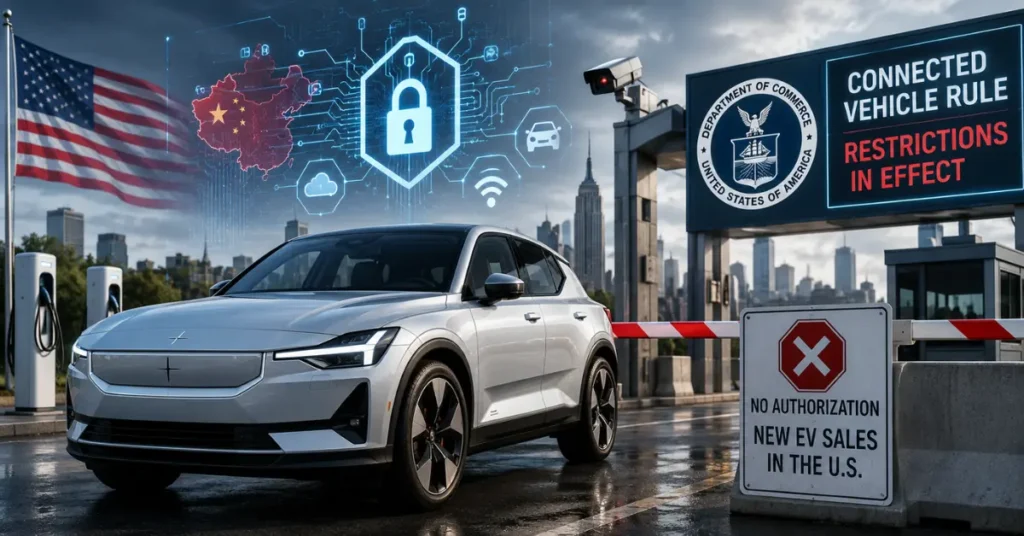
Swedish electric vehicle maker Polestar will no longer be able to sell its new models in the United States after the Trump administration declined to grant the company special approval under new vehicle security regulations.
The decision, announced on Thursday, stems from the administration’s “Connected Vehicle Rule,” which restricts the sale of vehicles that contain certain Chinese-developed software or hardware. Polestar had requested an exemption that would have allowed it to continue offering its latest electric vehicles in the U.S., but the Department of Commerce rejected the request.
As a result, the Geely-owned automaker will be unable to introduce new vehicles to American customers under the current rules.
Despite the setback, Polestar confirmed that it will continue selling its existcreaing inventory of Polestar 3 and Polestar 4 vehicles already available in the U.S. The company also reassured current owners that customer support and after-sales services will remain unchanged.
In its official statement, Polestar said customers will continue to have access to the company’s service network, ensuring maintenance and support for vehicles already on the road.
While losing access to new U.S. sales is a significant development, the company emphasized that the American market represents only a small portion of its global business. According to Polestar, 94% of its retail sales volume during the first quarter of 2026 came from markets outside the United States.
With the U.S. market becoming increasingly challenging, Polestar said it is shifting its attention toward Europe, where it plans to strengthen its presence and expand its business.
The decision highlights the growing impact of U.S. trade and national security policies on global automakers with Chinese connections. Polestar is owned by Chinese automotive giant Geely, which also owns Volvo Cars.
Interestingly, the latest move comes only a few months after the Trump administration approved a similar authorization for Volvo, allowing the company to continue selling its vehicles in the United States despite sharing the same parent company.
The different outcomes for the two automakers underline the selective application of the Connected Vehicle Rule and could raise further questions about how future approvals will be handled for manufacturers with ties to Chinese technology.
The Connected Vehicle Rule is part of broader efforts by the Trump administration to reduce potential security risks associated with vehicles that rely on Chinese-developed software and hardware. The regulation has become an increasingly important factor for global car manufacturers seeking access to the U.S. market.
For Polestar, the Commerce Department’s decision marks a major hurdle in one of the world’s largest automotive markets. However, with the overwhelming majority of its sales already coming from outside the United States, the company appears prepared to focus its future growth on Europe and other international markets while continuing to support its existing U.S. customer base.
Also read : Slate Auto Unveils $24,950 EV Truck With 205-Mile Range