





Ex-PG&E Engineer Raises $26M to Map What’s Underground
4 min read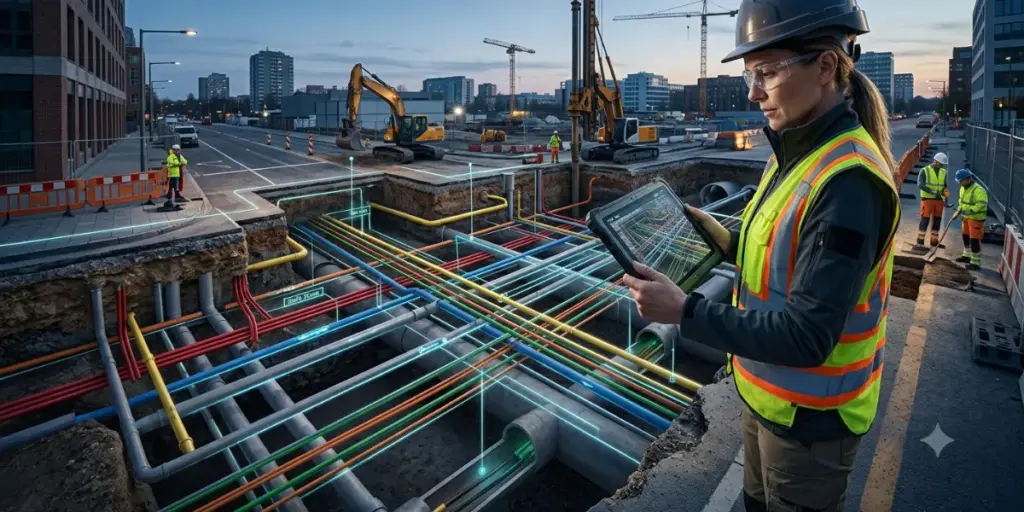
When engineers plan a new road, gas line or other infrastructure project, one of the biggest challenges may be something they cannot see: what is already buried underground.
Josh Mackanic experienced that problem firsthand during his decade-long engineering career at Pacific Gas and Electric (PG&E). One project he was working on had to be stopped after workers discovered a pipe in an excavation that the team did not know was there.
Fortunately, the pipe was spotted before it was damaged. But figuring out who owned it, what it carried and whether workers could safely connect to it took three days.
The delay cost about $60,000.
That experience eventually pushed Mackanic to leave PG&E and launch CivilGrid in 2020, a startup that aims to give engineers a clearer picture of what exists beneath the ground.
Mackanic describes the company’s technology as a kind of “Google Maps for what’s underground.”
A Hidden Infrastructure Problem
Utilities such as PG&E have detailed information about the electric and gas infrastructure they own. But underground infrastructure is much more complicated.
Water and sewage pipes, for example, may belong to completely different organizations. Information about where those assets are located can be scattered across different companies, agencies and records.
That lack of visibility can create serious problems when construction begins.
According to Mackanic, the U.S. sees roughly 200,000 utility strikes every year, when construction work accidentally damages underground infrastructure.
CivilGrid is designed to reduce those risks by bringing different types of information into one place.
The company collects data related to utility assets, property ownership and environmental regulations, then organizes it so engineers and other infrastructure planners can use it when deciding where and how to build.
Its customers include governments, civil engineering companies and utilities—including PG&E, Mackanic’s former employer.
CivilGrid Raises $26 Million
CivilGrid is now preparing to expand after raising $26 million in Series A funding.
The round was led by Spark Capital, with additional investment from early-stage funds Afore, A, Ford Street Ventures and SNR*.
Energy Impact Partners also invested. The fund counts a number of utility companies among its limited partners, which Mackanic sees as another sign that the industry recognizes the value of CivilGrid’s approach.
PG&E has already found a financial benefit from using the company’s technology.
A case study conducted by the utility identified $60 million in avoidable paving costs across 1,600 planned gas distribution projects using CivilGrid.
PG&E executive Christine Cowsert said the company’s growing energy needs require smarter infrastructure planning and tools that can help identify risks earlier, improve construction efficiency and reduce unnecessary costs.
From Mapping Data to Automating Permits
Mackanic sees the current mapping technology as just the beginning.
Today, CivilGrid gives engineers information they can use to make decisions about where infrastructure should be placed. But once the system understands the relevant constraints, Mackanic believes it could eventually recommend where a pipe should go and identify the permits needed to begin construction.
The company could potentially go even further.
Mackanic described a future where an engineer could receive a recommended location for a new pipe along with the necessary permits and then ask CivilGrid to file those permits automatically.
In other words, the startup wants to move from simply organizing infrastructure data to helping automate the process of building infrastructure.
“There’s a lot more” CivilGrid could automate now that the company has built its dataset and established relationships with the people making early decisions about construction projects, Mackanic said.
Why Underground Data Is So Difficult
The concept behind CivilGrid isn’t entirely new.
Mackanic acknowledges that improving visibility into underground infrastructure has been discussed before. The difficult part, he says, has been figuring out how to collect, organize and protect the data while also building relationships with the organizations willing to pay for access to it.
His experience at PG&E helped him understand why solving the problem from inside a large utility could be difficult.
Utilities operate relatively lean organizations, Mackanic explained, and they have little incentive to increase costs for customers unless the investment clearly delivers value.
That was one reason he believed an outside company could approach the problem differently.
Turning Attention to America’s Infrastructure
CivilGrid’s broader opportunity extends beyond avoiding accidental damage to pipes and cables.
The startup wants to become part of the infrastructure planning process from the earliest stages, helping engineers understand the physical, regulatory and ownership constraints before construction begins.
That could become increasingly important as the U.S. invests in new energy infrastructure and other large construction projects.
The more information engineers have before breaking ground, the easier it can be to avoid costly surprises.
For Mackanic, the motivation is personal. He spent much of his childhood dreaming about building rockets and exploring space. Despite studying mechanical engineering in college and graduate school, he never expected that his career would eventually involve working with utility companies and investigating the infrastructure beneath cities.
At first, he admits, utilities didn’t sound particularly exciting.
But his experience at PG&E changed that view.
Utility infrastructure may not always attract the same attention as rockets, artificial intelligence or other high-profile technologies, but it plays a critical role in everyday life. Electricity, gas, water and other services have to work reliably for millions of people every day.
Mackanic believes the industry deserves more recognition for that work.
And with CivilGrid, he is betting that better data—and eventually more automation—can make America’s complicated infrastructure projects safer, faster and less expensive.
Also read : Physical AI Is Still Waiting for Its ChatGPT Moment