




AI Infrastructure Boom Is Creating New Business Opportunities
3 min read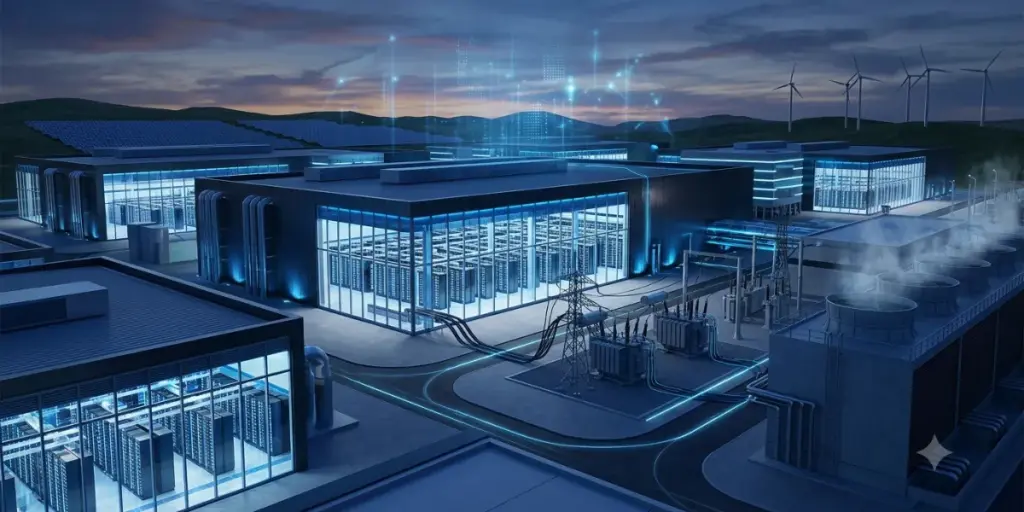
The artificial intelligence boom is no longer just about software, models and chips. As AI systems become larger and more widely used, the industry is running into a very physical challenge: building the infrastructure needed to power and support all that computing.
That shift will be a major topic at TechCrunch Disrupt 2026, where Ben Longmier, CEO of Ambrosia Energy, and Bill Thayer, SVP and Head of Datacenter Solutions at Bloom Energy, will join a discussion on the Smart Systems Stage titled “Where the AI Infrastructure Boom Is Creating Winners.”
The session will look at the infrastructure challenges emerging as AI expands and explore where those challenges could turn into long-term business opportunities for startups, investors and established technology companies.
AI Growth Is Putting Pressure on Physical Infrastructure
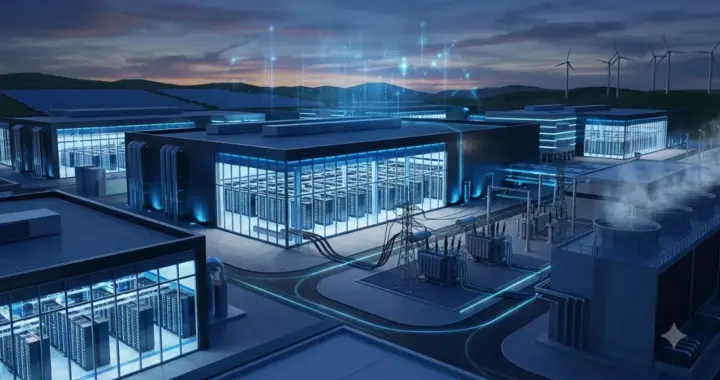
AI applications may run digitally, but they depend on a large physical network behind the scenes. Data centers need reliable power, grid connections, cooling systems, electrical equipment and other infrastructure to keep AI workloads running.
As demand for computing power continues to increase, the question is whether existing infrastructure can expand quickly enough to keep up.
This is creating a new set of challenges for the technology industry. Some shortages may be temporary, while others could become long-term constraints that reshape the market and create entirely new categories of businesses.
At TechCrunch Disrupt 2026, Longmier and Thayer will examine these challenges and discuss what happens when demand for AI computing grows faster than the infrastructure required to support it.
Where Could the Biggest Opportunities Be?
Infrastructure spending can create major opportunities, but not every part of the market will benefit equally. Companies and investors will need to identify which problems require new solutions and which areas are likely to see sustained demand.
The discussion will bring together perspectives from energy and data center solutions to explore how the market is changing as more investment moves into AI infrastructure.
For startup founders, the opportunity could extend well beyond building another AI application. The biggest businesses may come from solving the problems that allow AI companies to operate at scale.
For investors, understanding these infrastructure constraints could help identify markets with stronger long-term potential. Technology leaders, meanwhile, can gain a better picture of the physical systems that are increasingly determining how quickly and where AI can expand.
The Next AI Opportunity Could Be Outside Software
One of the most interesting outcomes of the AI boom is that the next major AI-driven company may not look like a traditional AI startup.
New opportunities could appear in areas such as energy generation, data centers, cooling, grid technology, electrical equipment and infrastructure software. Entirely new categories could also emerge as companies find ways to address problems that did not exist at the same scale before the rapid growth of AI.
The broader idea is simple: AI is creating new demands across the physical world, and businesses that solve those problems could become important players in the next stage of the technology industry.
That makes the conversation at TechCrunch Disrupt 2026 relevant not only to infrastructure companies, but also to founders looking for their next big opportunity and investors searching for markets that could grow alongside AI.
Ben Longmier and Bill Thayer will discuss these trends on the Smart Systems Stage at TechCrunch Disrupt 2026, as part of an event featuring more than 250 speakers and over 200 sessions.
TechCrunch Disrupt 2026 will take place at Moscone West, with doors opening October 13 at 8 a.m. PT. Attendees can save up to $100 before rates increase at the door. A second pass of the same ticket type is also available at 50% off, making it possible to bring a co-founder, partner, colleague or peer to the event.
Also read : Tab Emerges With $300M Valuation as AI Assistant Race Grows