





Base Power Secures $1B to Expand Home Battery Network
3 min read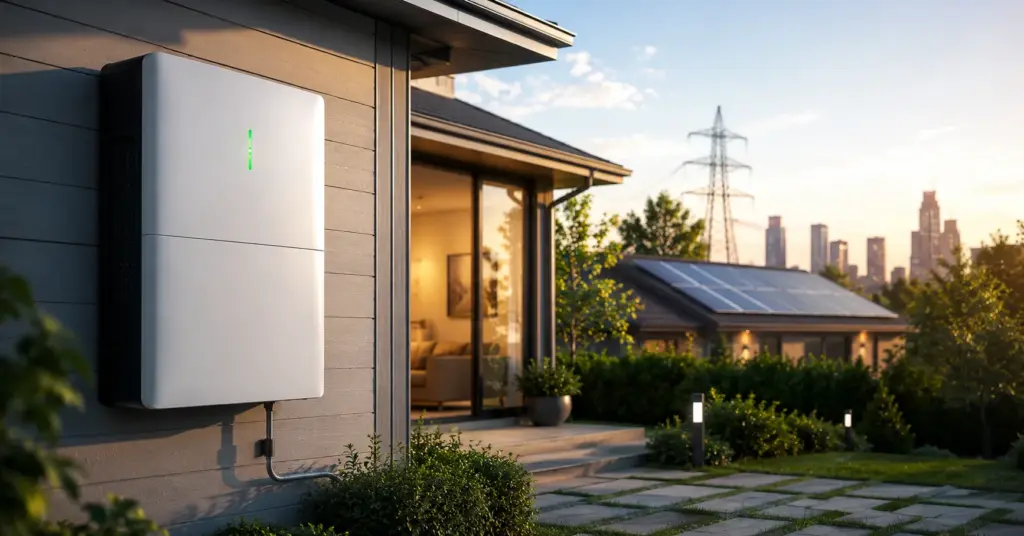
Base Power has raised another $1 billion as it doubles down on its mission to strengthen the power grid using home battery systems instead of traditional large-scale energy storage facilities. The latest funding round comes less than a year after the company previously secured $1 billion, highlighting strong investor confidence in its unique approach to energy storage.
The new Series D funding values the Texas-based startup at a $13 billion post-money valuation. According to a report from The Wall Street Journal, Base Power is currently installing around 100 home batteries every day and aims to double that pace before the end of the year. At its current rate, the company is adding roughly 8 megawatt-hours of battery storage daily, making it one of the fastest-growing players in the residential energy storage market.
Unlike many energy storage companies that build large battery farms connected directly to the electrical grid, Base Power has focused on placing batteries in customers’ backyards. The company believes a distributed network of residential batteries can provide flexibility while helping reduce pressure on the grid during periods of high electricity demand.
Alongside the funding announcement, Base Power introduced its latest home battery system, Base Core. Manufactured at the company’s factory in Austin, Texas, the new battery can store 39.2 kilowatt-hours (kWh) of electricity, offering significantly more storage capacity than many competing home battery products. Customers have the option to install either one or two Base Core units depending on their energy needs. At present, Base Power serves customers in Texas and Illinois.
The company’s rapid growth comes at a time when electricity demand across the United States continues to rise. Increased adoption of electric technologies, combined with the rapid expansion of AI-powered data centers, has placed additional pressure on the country’s aging electrical infrastructure.
Although the U.S. power grid has expanded in recent years after decades of limited growth, many regions are struggling to keep up with rising electricity consumption. One of the most affected areas is the PJM Interconnection, a regional grid operator that serves several states and supports a large concentration of data centers. Parts of Illinois, where Base Power currently operates, fall within PJM’s service area.
Base Power has also adopted a different pricing model from most home battery providers. Instead of asking homeowners to pay thousands of dollars upfront for battery systems, the company offers its batteries through a subscription-based service. In the Houston area, customers pay $695 for the installation of a single battery, followed by a $19 monthly subscription fee and 13.1 cents per kilowatt-hour for electricity, a price that is roughly in line with local electricity rates.
Because Base Power retains ownership of the batteries, it can use stored electricity to support the power grid during times of peak demand by selling energy back to the grid.
This creates an additional revenue opportunity while also helping improve grid stability.
In regulated electricity markets, the company partners with utility providers to install batteries in customers’ homes, reducing strain on local power infrastructure. Whether operating in regulated or deregulated markets, homeowners also benefit from reliable backup power during outages. With nearly 40 kWh of storage capacity, a fully charged Base Core battery can keep a home powered for a day or even longer, depending on electricity usage.
The latest funding round was led by Ribbit, Addition, Valor Equity Partners, and JPMorganChase’s Strategic Investment Group. Additional investors included Altimeter, D1 Capital Partners, Sands Capital, Coatue, Layer Global, Energy Impact Partners, Thrive Capital, Andreessen Horowitz (a16z), Lightspeed, Trust Ventures, CapitalG, and several others.
Base Power was co-founded by Zach Dell, who serves as the company’s CEO. While Zach is the son of Dell Technologies CEO Michael Dell, Michael Dell did not participate in this funding round.
As electricity demand continues to grow and grid reliability becomes increasingly important, Base Power’s distributed home battery strategy is positioning the company as a key player in the future of residential energy storage.
Also read : Reddit Tests TikTok-Style Feature for Viral Stories