


AI and the Future of Nature Take Center Stage at Disrupt 2026
3 min read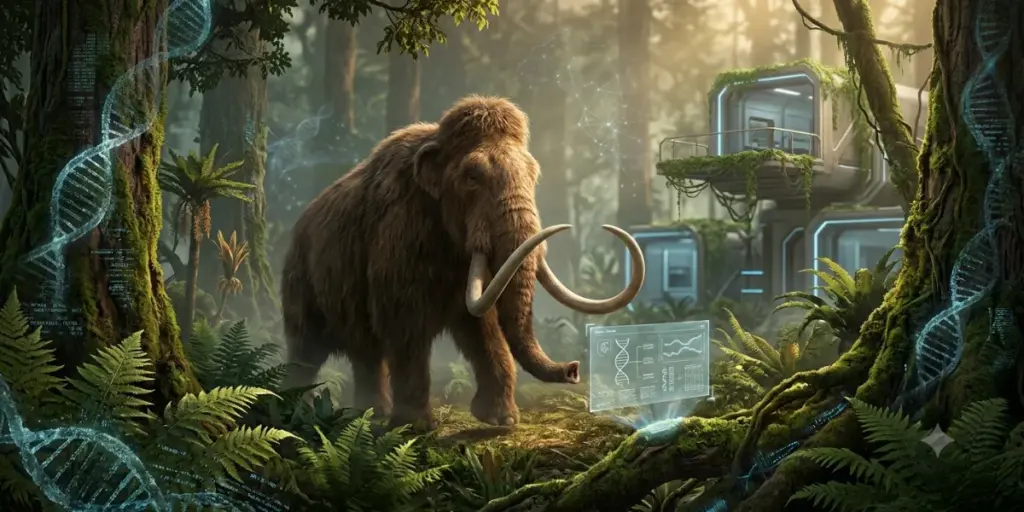
What if artificial intelligence could do more than power software, search engines, and robots? What if it could help change the future of the natural world?
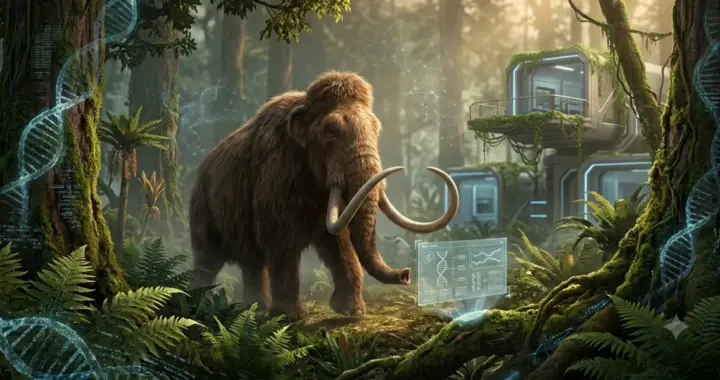
That question will take center stage at TechCrunch Disrupt 2026, where Ben Lamm, co-founder and CEO of Colossal Biosciences, will discuss how AI, genetics, and synthetic biology could reshape conservation and even make the return of extinct species possible.
The session, titled “Can We Engineer Nature’s Comeback?”, will take place on the Real World AI Stage. It will explore one of the most controversial ideas emerging from modern science: whether technology can help bring extinct animals back and, if it can, whether humans should actually do it.
For Lamm and Colossal Biosciences, de-extinction is no longer simply a science-fiction concept. The company is using advances in synthetic biology and AI to explore ways to revive extinct species while also examining how those technologies could contribute to conservation.
But the conversation goes beyond bringing back individual species. It raises a much larger question about the role technology should play in protecting biodiversity and addressing some of the world’s most difficult environmental challenges.
When AI Moves Into Biology
Artificial intelligence has already transformed areas such as software development, robotics, and scientific research. Biology is increasingly becoming another major area of AI development.
Researchers are using AI to process genetic information, model biological systems, and speed up scientific discovery. Companies such as Colossal are taking that progress further by combining AI with synthetic biology to tackle problems that once seemed impossible.
At Disrupt 2026, the discussion will look at what happens when AI moves from digital environments into the natural world. The conversation could be especially relevant for founders and investors working across artificial intelligence, life sciences, deep tech, conservation, and climate technology.
Meet the Founder Behind Colossal’s Ambitious Mission
Ben Lamm brings more than two decades of experience building companies around emerging technologies and complex problems.
Before launching Colossal Biosciences, Lamm founded several technology companies, including Hypergiant, Conversable, and Chaotic Moon. Those companies were later acquired by Trive Capital, LivePerson, and Accenture, respectively.
His background includes work across enterprise AI, critical infrastructure, conversational intelligence, and other emerging technologies. Today, he is applying that entrepreneurial experience to a very different challenge: exploring how AI and synthetic biology could make de-extinction a potential conservation tool.
That work has put Colossal at the center of an ongoing debate within science and technology. Supporters see de-extinction as a potentially important scientific and conservation breakthrough, while critics question whether engineering extinct species is the right priority when many living species and ecosystems already face serious threats.
Lamm’s appearance at Disrupt will offer an opportunity to hear directly from a founder working at the intersection of AI, biology, biodiversity, and climate resilience.
The Bigger Question Behind De-Extinction
The idea of reviving extinct species naturally attracts attention, but the implications could reach much further.
As AI becomes increasingly involved in scientific research, its impact is expanding beyond traditional technology markets. Medicine, biology, conservation, and climate science are all becoming areas where AI could help researchers explore new possibilities.
At the same time, those possibilities come with difficult questions. How far should humans go when using technology to change living systems? Which problems should receive investment and attention? And who should decide how powerful technologies are used?
Whether de-extinction ultimately becomes a major conservation strategy, a scientific breakthrough, or remains a controversial experiment, the debate highlights a much broader issue: how emerging technologies could change humanity’s approach to some of the world’s most complex problems.
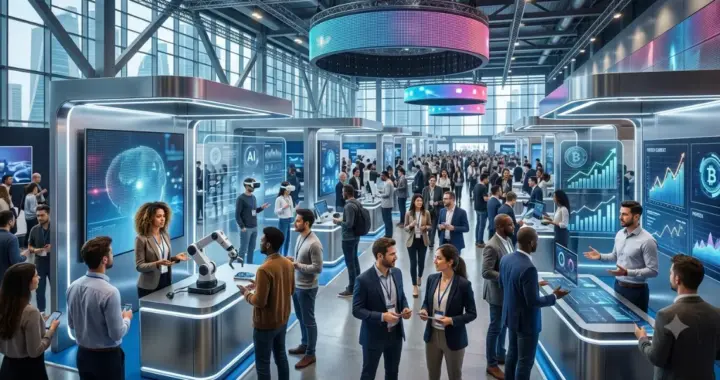
TechCrunch Disrupt 2026 will return to Moscone West in San Francisco from October 13–15. The event is expected to bring together more than 10,000 founders, investors, and operators, with 250+ sessions covering the technologies and market forces shaping the future.
For anyone interested in where AI, biology, and innovation are heading next, Lamm’s Real World AI Stage conversation promises to be one of the event’s most unconventional discussions.
Attendees can secure a Disrupt pass with up to $200 in savings and hear the conversation firsthand.
Also read :Trezor Data Breach Exposes Hundreds of Thousands to Phishing