





Meta Deal Gives Plastic Recycling Startup MacroCycle a Boost
3 min read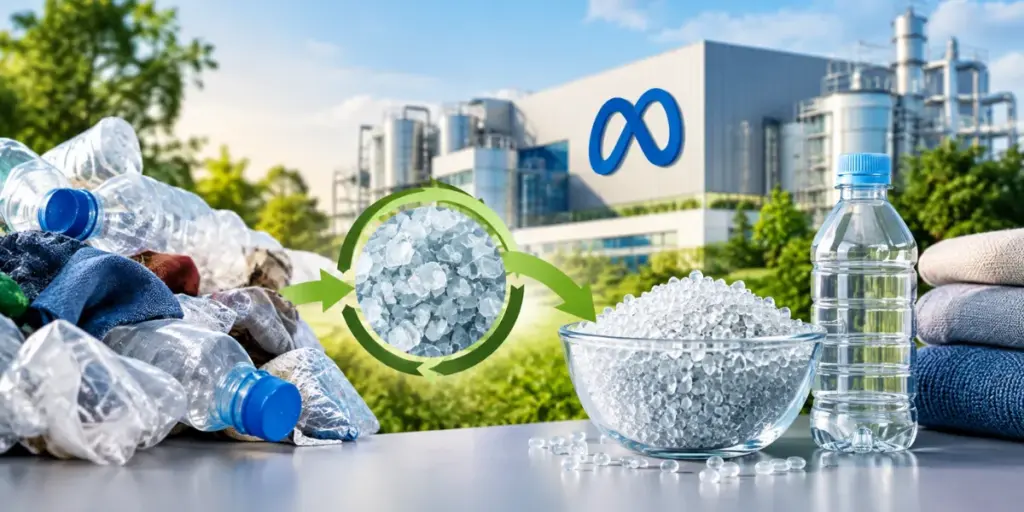
Plastic recycling startup MacroCycle has signed a three-year agreement with Meta that could help the company move faster toward building its first commercial recycling plant in the U.S.
The Cambridge, Massachusetts-based startup has developed a process designed to turn difficult-to-recycle plastic waste into high-quality recycled material. Unlike conventional recycling methods, MacroCycle’s technology removes contaminants from plastic waste, producing material that the company says is indistinguishable from newly made plastic.
The deal also gives MacroCycle a new source of revenue. Under the agreement, Meta will pay for the rights to the carbon emissions avoided through MacroCycle’s recycling process. These payments are known as environmental attribute credits (EACs), and Meta can count the emissions reductions toward its own carbon footprint.
A Meta spokesperson confirmed that this is the company’s first deal of this kind. MacroCycle gave TechCrunch an exclusive preview of the agreement.
Turning avoided emissions into funding
For MacroCycle, the agreement is about more than selling recycled plastic. Revenue from the environmental credits could help finance the construction of its first U.S. plant.
The company says its technology produces 80% fewer carbon emissions than manufacturing new, non-recycled virgin PET plastic. PET is widely used in products including bottles, containers and textiles.
MacroCycle plans for its demonstration plant to produce around 5,000 metric tons of recycled plastic each year.
The company’s process is particularly focused on waste streams that are difficult to recycle, including textiles. Textile recycling remains extremely limited, with just 0.5% of textile material being recycled.
A different approach to plastic recycling
Instead of relying heavily on heat, MacroCycle uses solvents to dissolve and purify PET. The process forms polymer loops called macrocycles, which inspired the startup’s name.
During recycling, solvents remove contaminants while leaving the macrocycles behind. The loops are then opened and the polymers are connected again to create higher-quality plastic.
According to MacroCycle, the final material is indistinguishable from new plastic.
Using solvents instead of heat is also expected to reduce the amount of energy required. That could potentially lower production costs and help the company compete with overseas suppliers.
MacroCycle’s longer-term goal is to produce recycled textiles domestically at competitive prices. The company points to the sharp decline of the U.S. textile manufacturing industry over the past 25 years, during which employment in the sector has fallen by 85%.
Meta wants a bigger market for low-carbon materials
Meta’s interest extends beyond the environmental credits. The company also wants to encourage the development of a larger market for lower-carbon materials such as recycled plastics.
Plastic is used throughout Meta’s supply chain, including in packaging and hardware. Increasing access to lower-carbon materials could eventually help Meta reduce its overall carbon footprint.
That is becoming increasingly important as Meta’s carbon footprint grows significantly amid the rapid expansion of its AI operations.
For MacroCycle, having Meta as an early customer could also help attract additional buyers. The startup is currently working to secure customers for the recycled material its first plant will produce.
MacroCycle co-founder and CEO Stewart Peña Feliz told TechCrunch that the Meta agreement could make it easier to reach similar deals with other companies.
The company has even bigger plans for future facilities. While its first demonstration plant is expected to produce 5,000 metric tons annually, future plants could have capacity of 50,000 metric tons per year.
MacroCycle was also a Top 20 finalist in the 2025 Startup Battlefield competition at TechCrunch Disrupt in San Francisco, putting the young recycling company among a group of startups gaining attention for developing new approaches to major environmental challenges.
Also read : Tovala Smart Oven Review: Can It Really Beat Takeout?